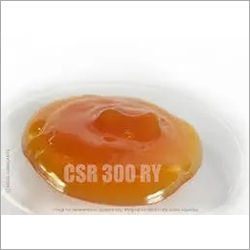
About Vaccum grease
It is high vacuum non-melt Silicone grease. It is heat stable and maintains its consistency over a wide temperature range, and is excellent chemical resistant stop-cock grease. It is highly adhesive and water repellent making it suitable for a wide range of industrial applications. It can withstand vacuum upto 10-6 torr.
AREA OF APPLICATION
In high vacuum systems, Laboratory and industrial stop-cocks for chemical duty, Sealant for air-lines control valves and pneumatic systems. Mould release agent to Epoxy, Polystyrene, PVC and other Thermoplastics.
BENEFITS
Withstands very high vacuum. Sealant/Lubricant for Pneumatic system. Lifelong lubricant.Chemically inert. Mould release agent Non-melt / Non-drip.
Exceptional Thermal StabilityWith a dropping point greater than 250C and a flash point above 300C, this vacuum grease maintains integrity and viscosity even at elevated temperatures, making it suitable for a wide range of laboratory conditions. Its resistance to evaporation ensures minimal loss during prolonged use.
Dependable Non-corrosive FormulationFormulated to be non-corrosive and compatible with most elastomers and plastics, this vacuum grease will not damage sensitive laboratory equipment. Its synthetic or petroleum hydrocarbon base composition is safe and odorless or emits only a slight odor.
Versatile Applications and Easy StoragePerfectly suited for lubricating and sealing ground glass joints, stopcocks, scientific glassware, and desiccators, the grease is available in various sizes and pack types. Proper storage in a cool, dry place enhances its shelf life to up to two years.
FAQs of Vaccum grease:
Q: How do I apply vacuum grease to laboratory equipment?
A: To use vacuum grease, clean and dry the surfaces of your laboratory equipment such as ground glass joints, stopcocks, or desiccators. Apply a thin, even layer directly onto the contact area before assembling the parts to ensure an airtight seal and smooth movement.
Q: What are the main benefits of using this vacuum grease in scientific glassware?
A: This vacuum grease offers high thermal stability, non-corrosive and non-toxic properties, and excellent compatibility with various materials. It prevents air leaks, ensures smooth operation of joints, and extends equipment lifetime by minimizing wear and contamination.
Q: When should I consider replacing the grease or reapplying it?
A: Its advisable to inspect and, if necessary, clean and reapply the vacuum grease whenever you disassemble the equipment or if you notice reduced sealing effectiveness. However, under proper usage and conditions, the grease maintains its properties for up to 1224 months.
Q: Where should I store the vacuum grease for optimal longevity?
A: Vacuum grease should be stored in a sealed jar or tube in a cool, dry place, away from direct sunlight and sources of heat or moisture. Proper storage conditions help preserve its properties and extend the shelf life up to two years.
Q: Is this vacuum grease compatible with all types of laboratory materials?
A: Yes, it is compatible with most elastomers and plastics commonly used in laboratory equipment. Its synthetic or hydrocarbon base ensures safe contact and prevents degradation of sensitive components.
Q: What makes this vacuum grease suitable for high-temperature applications?
A: This grease has a high dropping point (>250C) and a flash point above 300C, combined with minimal evaporation loss at 100C. Its stability ensures performance in rigorous environments without breakdown or significant volatility.






 Send Inquiry

 Send Inquiry
 Send Inquiry
 Send SMS